
TSLA339.510-13.31%
GM72.175-1.255%
F11.475-0.135%
RIVN14.550-0.74%
CYD39.460-0.32%
HMC23.395-0.445%
TM202.440-1.98%
CVNA305.640-11.21%
PAG147.795-0.915%
LAD257.270-0.3%
AN194.010-2.81%
GPI323.740-3.26%
ABG195.160-0.24%
SAH62.450-0.86%
TSLA339.510-13.31%
GM72.175-1.255%
F11.475-0.135%
RIVN14.550-0.74%
CYD39.460-0.32%
HMC23.395-0.445%
TM202.440-1.98%
CVNA305.640-11.21%
PAG147.795-0.915%
LAD257.270-0.3%
AN194.010-2.81%
GPI323.740-3.26%
ABG195.160-0.24%
SAH62.450-0.86%
TSLA339.510-13.31%
GM72.175-1.255%
F11.475-0.135%
RIVN14.550-0.74%
CYD39.460-0.32%
HMC23.395-0.445%
TM202.440-1.98%
CVNA305.640-11.21%
PAG147.795-0.915%
LAD257.270-0.3%
AN194.010-2.81%
GPI323.740-3.26%
ABG195.160-0.24%
SAH62.450-0.86%

White House revises metals tariffs, shifts calculation method

The new structure shifts the tariff basis to consumer prices and introduces thresholds that could modestly ease compliance burdens for automakers and suppliers.

White House revises metals tariffs, shifts calculation method

On the Dash:

  • The revised tariff structure simplifies how metals duties are calculated by applying them to consumer purchase prices and eliminating complex component-level assessments.
  • The changes are expected to create mixed cost impacts across the automotive sector, with some inputs becoming more expensive while others may see modest relief.
  • Continued shifts in U.S. trade policy are adding uncertainty for automakers and dealers, complicating long-term pricing, sourcing and investment decisions.

President Trump on Thursday signed a proclamation revising tariffs on aluminum, steel and copper imports to simplify calculations and address efforts to circumvent duties, according to senior administration officials.

The changes alter how tariffs are assessed, as metals duties will now be applied to the price paid by U.S. consumers rather than the cost of metals as produced. Products with metal content below 15% of an item’s weight will not face additional metal tariffs and will instead be subject only to the duty tied to the country of origin. Products above that threshold will face a 25% tariff on the product’s total value. Fully metal goods, including steel coils and aluminum sheet, remain subject to the 50% levy.

Sign up for CBT News’ daily newsletter and get the latest industry stories delivered straight to your inbox.

The original 50% duties on aluminum, steel, and copper imports imposed last year contributed to billions of dollars in costs for automakers and suppliers. Some vehicle prices increased, though much of the cost was absorbed amid affordability concerns. Officials said the revised approach could offer slight relief, while acknowledging that some items may face higher costs and others lower ones.

Tariff revenues previously fell short of expectations as global metals values declined and producers reported lower costs while selling to U.S. buyers at higher prices. The new framework is intended to prevent exporters from avoiding tariffs.

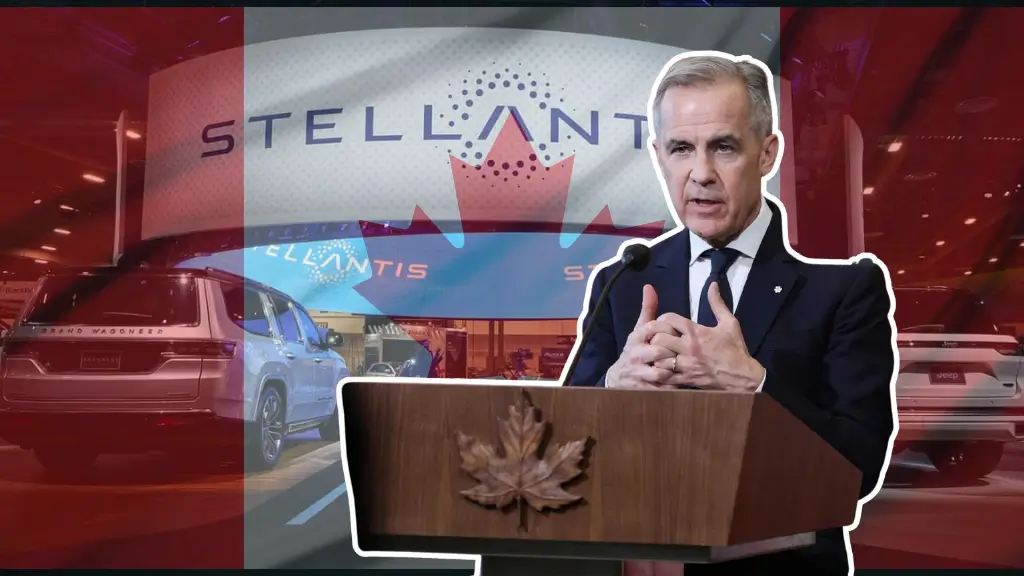
Automakers are analyzing the financial impact of tariffs, with General Motors reporting $3.1 billion, Ford $2 billion, and Stellantis approximately $1.4 billion last year.

The revision simplifies the process by removing complex calculations for derivative products. Items are now categorized as either being subject to metals tariffs or not, which reduces the administrative burden. However, raw metals remain subject to the 50% tariff and are not eligible for offsets related to auto tariffs.

This policy change follows a series of tariff adjustments since last year’s “Liberation Day,” which has contributed to the uncertainty that industry executives cite as a barrier to long-term planning.


More from Industry News
Iran war uncertainty clouds auto outlook despite steady 2026 sales forecasts

Iran war uncertainty clouds auto outlook despite steady 2026 sales forecasts

- April 7, 2026
On the Dash: A prolonged Iran conflict could increase inflation, disrupt supply chains and weaken consumer confidence. U.S. auto sales forecasts for 2026 remain steady despite growing geopolitical uncertainty. Lease...
Hyundai flags Middle East conflict as supply chain disruptions hit exports

Hyundai flags Middle East conflict as supply chain disruptions hit exports

- April 6, 2026
On the Dash: Ongoing supply chain disruptions may lead to delayed inventory and delivery timelines. Rising logistics and material costs could impact pricing and margins. Diversions and route changes signal...
Stellantis explores EV production in Canada with China’s Leapmotor

Stellantis explores EV production in Canada with China’s Leapmotor

- April 3, 2026
On the Dash: Stellantis’ early-stage talks with Leapmotor highlight how global partnerships are accelerating as automakers adapt to shifting tariffs and EV demand. Uncertainty around U.S. trade policy and potential...
Alliance for Automotive Innovation, Automakers group proposes replacing gas tax with vehicle fee

Automakers group proposes replacing gas tax with vehicle fee

- April 2, 2026
On the Dash: A shift from fuel taxes to a vehicle-based fee could change how all customers, including EV buyers, contribute to infrastructure costs. Weight-based fees may impact ownership costs...
CBT News
Privacy Overview

This website uses cookies so that we can provide you with the best user experience possible. Cookie information is stored in your browser and performs functions such as recognising you when you return to our website and helping our team to understand which sections of the website you find most interesting and useful.