ICYMI: China lifts restrictions on Nexperia chip exports. GM invests $110M in STEAM programs. Toyota starts production at North Carolina battery plant, pledges additional $10B U.S. investment. The federal shutdown has ended, and agencies like EPA and NHTSA have resumed work. The U.S. and South Korea cut auto tariffs and unlock $350 billion in investments.
Here’s a closer look at these top stories and more headlines to stay on top of this week’s automotive industry news.
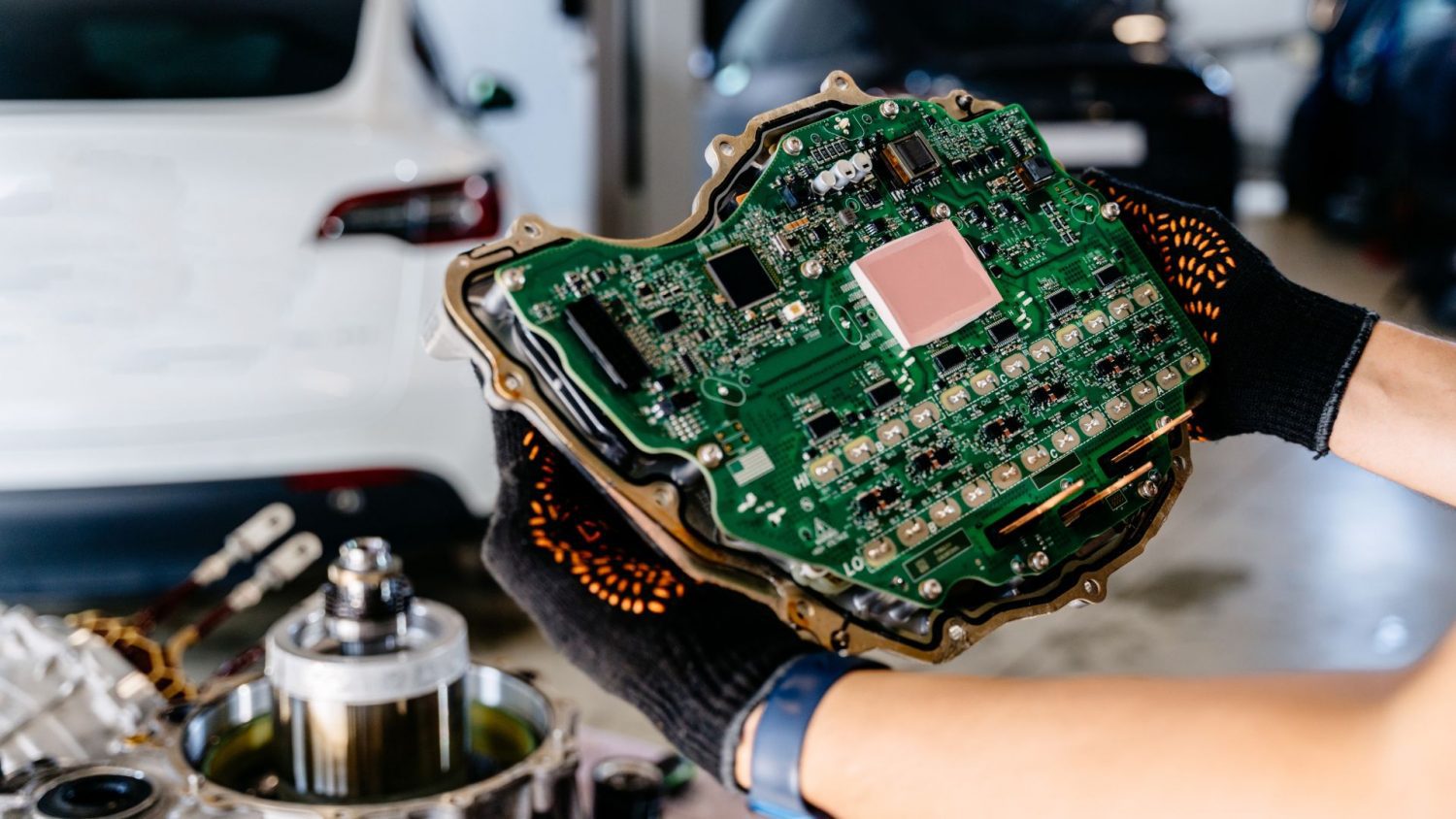 China lifts restrictions on Nexperia chips, easing global shortage
According to reports on Sunday, China confirmed it has taken the necessary steps to exempt compliant exports of Nexperia chips for civilian use, and is encouraging the European Union to make progress in resolving the clash that threatens to disrupt global auto production. Read More
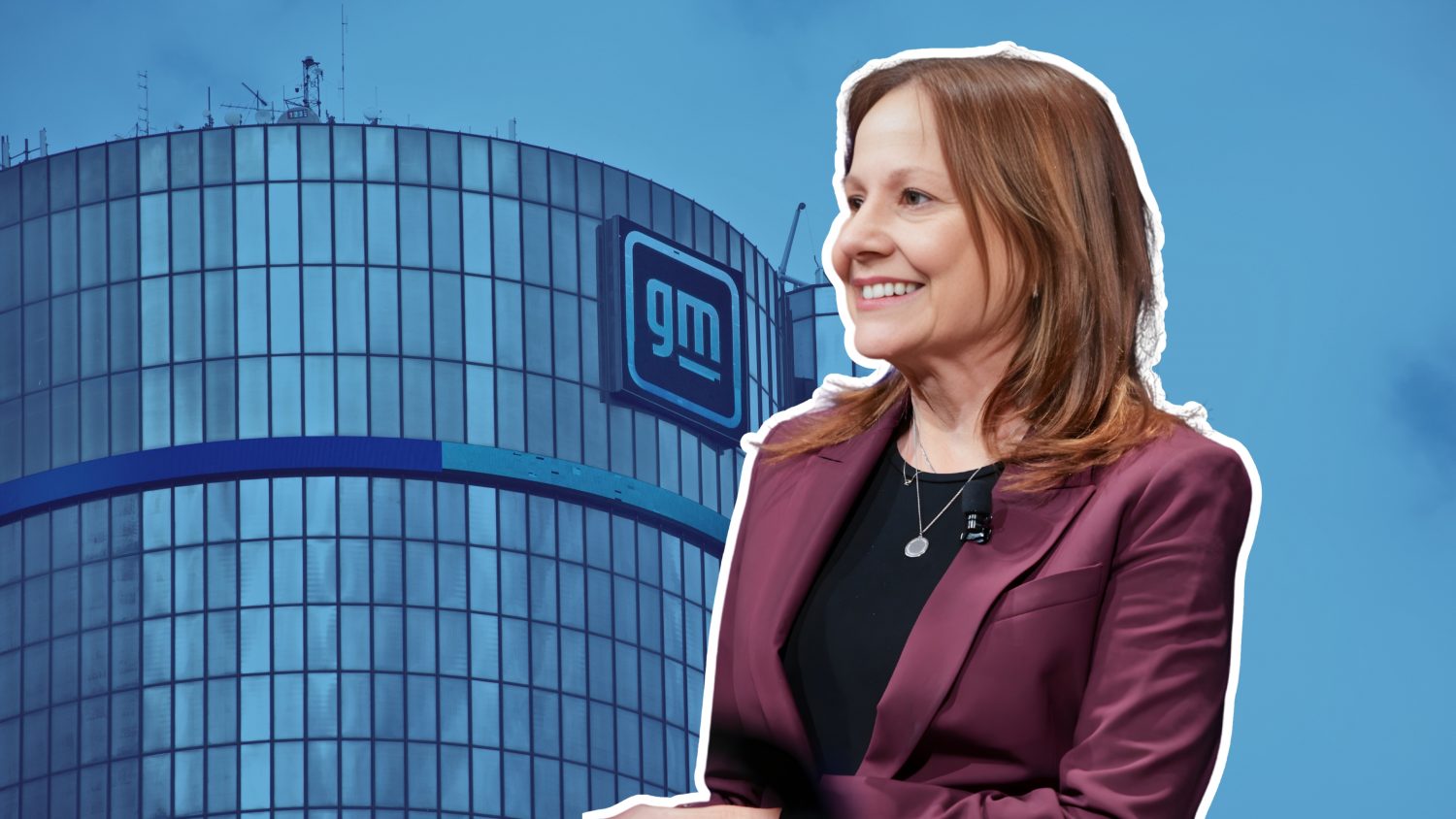 GM invests $110M in STEAM education to grow U.S. technical workforce
General Motors marked National STEM (and STEAM) Day on November 8 by reaffirming its commitment to education and workforce development and emphasizing the growing need for expertise in science, technology, engineering, arts, and math across the automotive industry. Read More
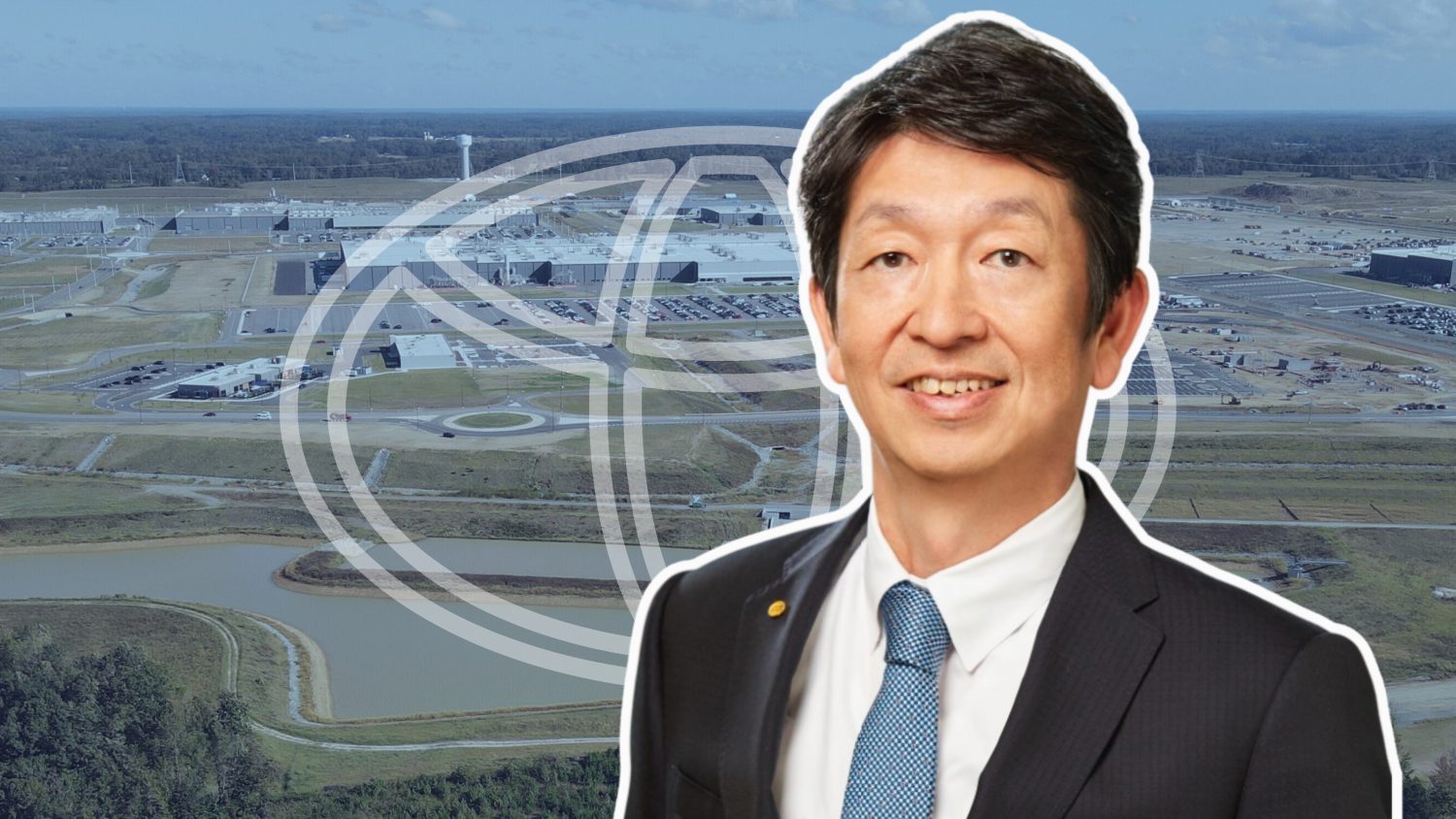
Toyota launches $13.9B US battery plant, pledges additional $10B investment
Toyota Motor announced Wednesday that it has started production at its $13.9 billion battery facility in North Carolina and plans to invest an additional $10 billion in the United States over the next five years. These investments bring Toyota’s total U.S. investment to $60 billion over the past 70 years. Read More
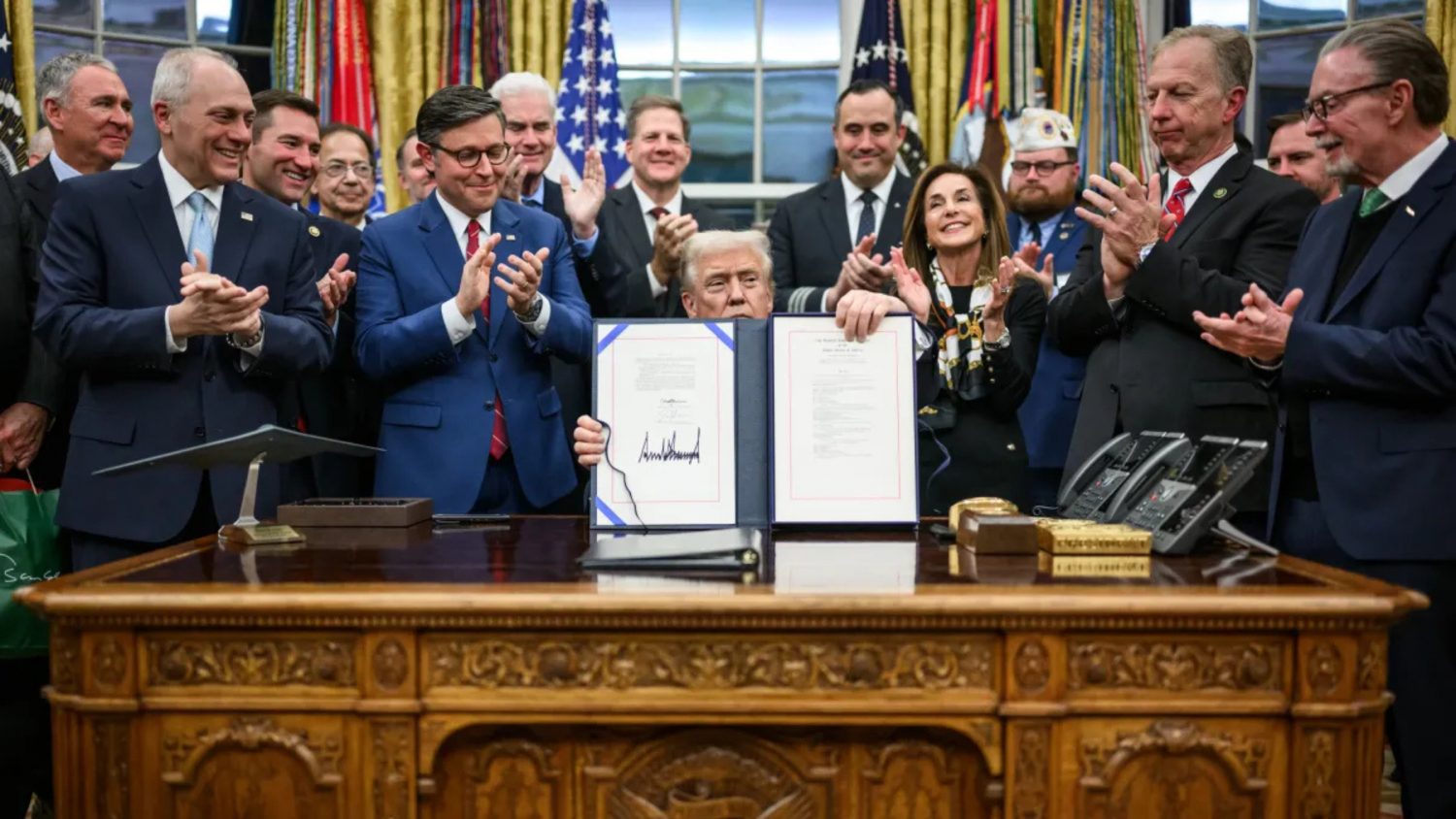 Federal shutdown ends, clearing regulatory hurdles for auto industry
The federal government formally reopened Thursday following a 43‑day funding lapse, a resolution that offers relief to the automotive sector as key regulatory and certification processes resume. President Donald Trump signed the stopgap spending legislation Wednesday evening, ending the longest U.S. government shutdown on record and enabling federal agencies to restore normal operations and federal workers to return to duty. Read More
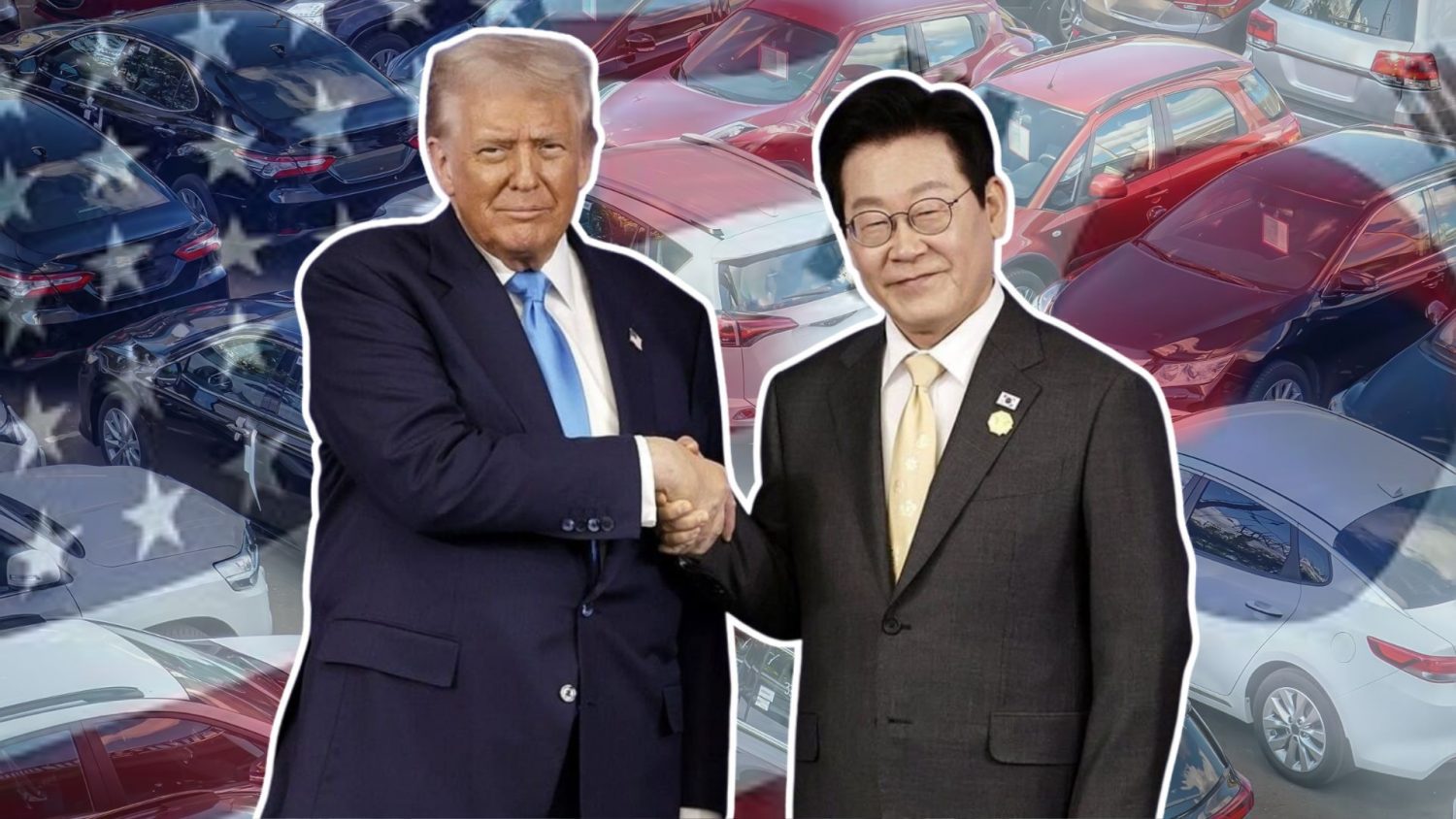 US, South Korea reach deal lowering auto tariffs and unlocking $350 billion investment
The United States and South Korea announced a landmark trade and investment agreement following a recent summit between President Donald Trump and South Korean President Lee Jae Myung. Under the deal, tariffs on U.S. imports of Korean automobiles and auto parts will be reduced from 25% to 15%, bringing them in line with those of Japanese competitors. The tariff reductions will be retroactive to November 1, once the agreement is finalized and the $350 billion investment package is submitted to the South Korean Parliament. Read More
Next Week: Exclusive Interviews You Can’t Miss
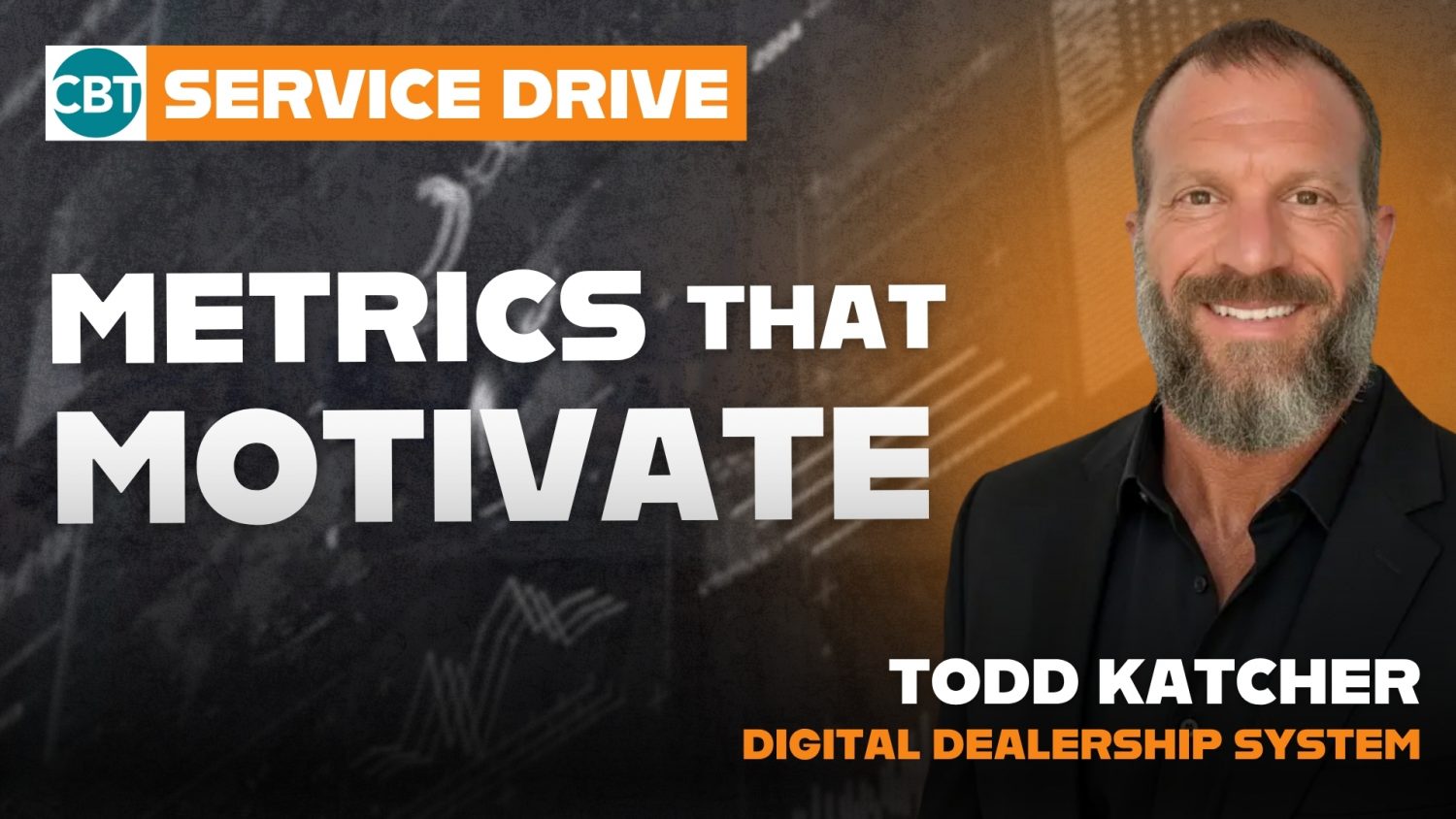 Digital leaderboards simplify reporting and drive accountability — Todd Katcher | Digital Dealership System
Dealerships spend hours every week generating reports that show what already happened, leaving little time to improve performance today. Todd Katcher, chief product officer at Digital Dealership System, joins Jim Fitzpatrick on this upcoming episode of Service Drive to demonstrate how digital leaderboards are transforming performance tracking in fixed-ops departments.
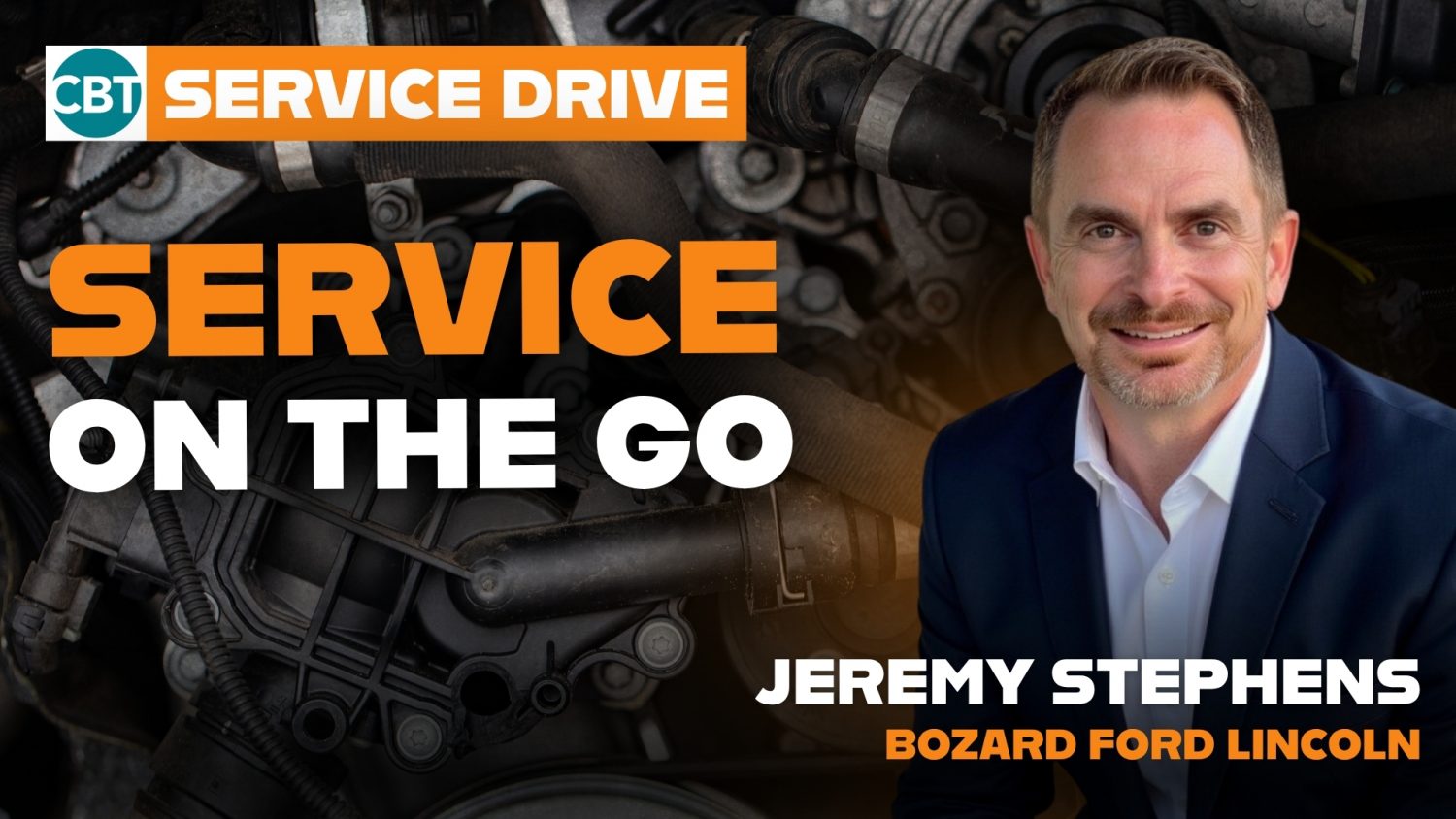 How Jeremy Stephens scaled Bozard Ford Lincoln’s mobile service to 2,000 monthly jobs
Mobile service is one of the fastest-growing opportunities in fixed ops. On this upcoming episode of Service Drive, Bozard Ford Lincoln’s Remote Operations Director, Jeremy Stephens, shares how his team completed more than 2,000 mobile service appointments in a single month and how other dealerships can achieve similar results.
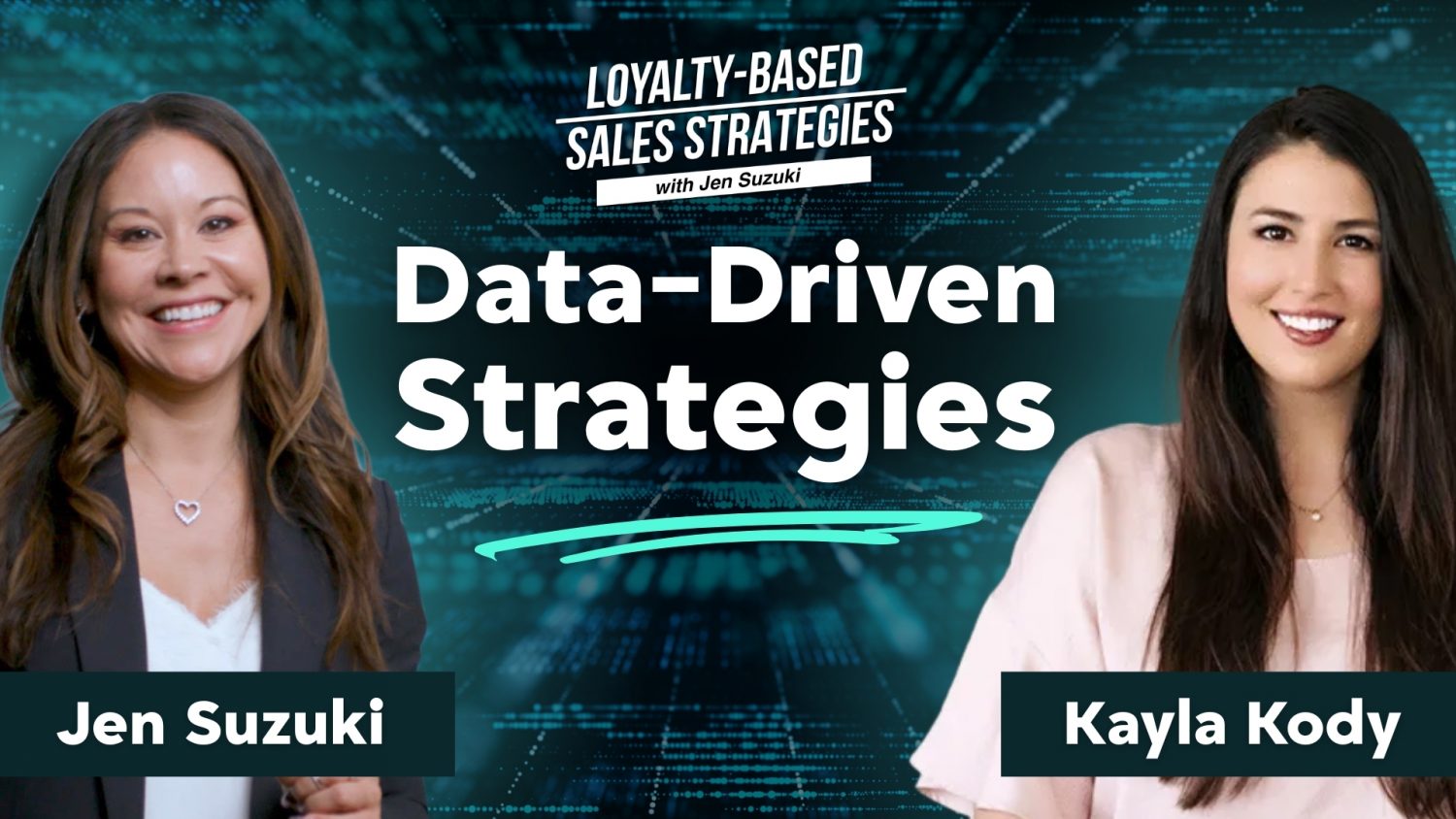 Richmond Ford VP, Kayla Kody, transforms service lane with data-driven loyalty strategies
At Richmond Ford Automotive Group, exceptional customer experiences go beyond repairs; they are driven by data and focused on loyalty. Vice President Kayla Cody is transforming the service lane through intelligent scheduling, AI-enhanced communications, and personalized lifecycle management. This strategy ensures customers feel valued and supported, while technicians and advisors operate efficiently and build long-term loyalty. On this upcoming episode of Loyalty-Based Sales Strategies, Kody shares how Richmond Ford is setting a new standard for service excellence in 2025.