
TSLA372.110-5.83%
GM82.6302.06%
F12.7100.11%
RIVN15.4700.18%
CYD33.0301.83%
HMC32.9300.74%
TM190.3403.62%
CVNA65.0600.88%
PAG209.6201.65%
LAD316.4206.82%
AN166.9804.09%
GPI252.1804.39%
ABG185.1505.21%
SAH64.9502.47%
TSLA372.110-5.83%
GM82.6302.06%
F12.7100.11%
RIVN15.4700.18%
CYD33.0301.83%
HMC32.9300.74%
TM190.3403.62%
CVNA65.0600.88%
PAG209.6201.65%
LAD316.4206.82%
AN166.9804.09%
GPI252.1804.39%
ABG185.1505.21%
SAH64.9502.47%
TSLA372.110-5.83%
GM82.6302.06%
F12.7100.11%
RIVN15.4700.18%
CYD33.0301.83%
HMC32.9300.74%
TM190.3403.62%
CVNA65.0600.88%
PAG209.6201.65%
LAD316.4206.82%
AN166.9804.09%
GPI252.1804.39%
ABG185.1505.21%
SAH64.9502.47%

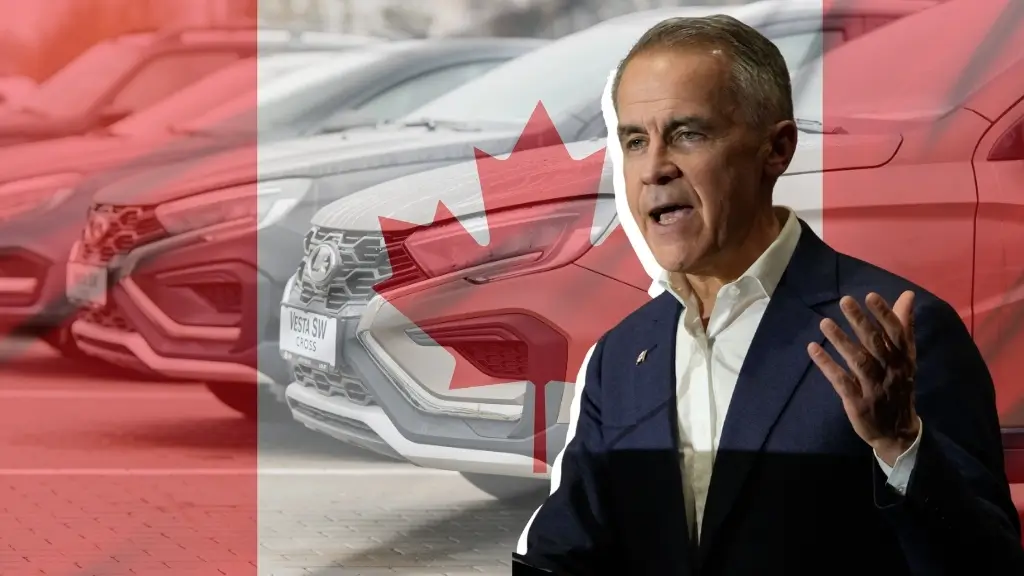
Toyota and Honda face biggest impacts from Trump’s Canada auto tariff

Trump’s proposal would double tariffs on Canadian vehicles, threatening production for the two automakers with the most exposure

Toyota and Honda face biggest impacts from Trump's Canada auto tariff

On the Dash:

  • President Trump plans to raise Canadian auto tariffs to 50% starting Jan. 1, 2027, doubling the current rate.
  • Toyota and Honda, which build most of Canada’s vehicles, face the largest tariff exposure.
  • The proposal follows collapsed U.S.-Canada trade talks, leaving four months before it takes effect.

President Donald Trump said tariffs on Canadian-built cars, trucks, auto parts and steel will rise to 50% starting Jan. 1, 2027, in an Aug. 24 post on Truth Social. The increase would double the existing 25% tariff the U.S. already imposes on non-U.S. content in Canadian-built vehicles under Section 232 of the Trade Expansion Act.

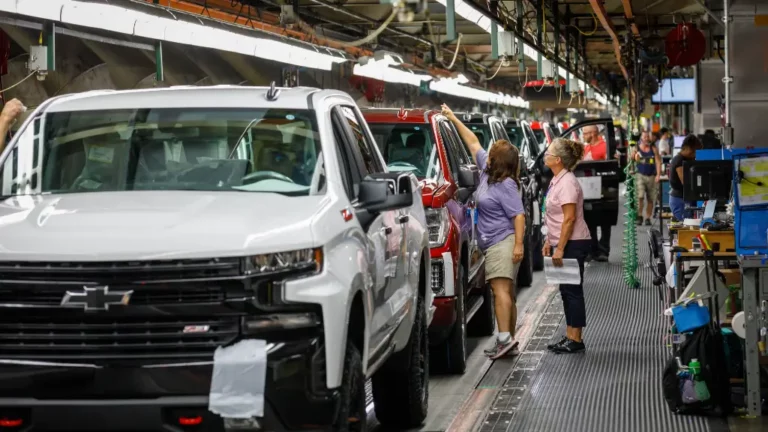
Toyota and Honda build the majority of vehicles manufactured in Canada, including the Toyota RAV4 and Honda CR-V, two of the best-selling SUVs in the U.S. Both models are exported from Canada to American dealers, putting the two automakers squarely in the path of the new tariff.

Sign up for CBT News’ daily newsletter and get the latest industry stories delivered straight to your inbox.

The proposal follows the collapse of separate U.S.-Canada trade talks last week, which triggered a 50% U.S. tariff on about $20 billion in Canadian goods and Canada’s matching retaliatory tariffs, set to take effect Sept. 8. Trump has framed the broader tariff push as a response to what the administration calls discriminatory Canadian trade practices, including tariffs and quotas that limit U.S. vehicle exports to Canada.

The higher auto tariff would add another layer of cost to a supply chain that already crosses the U.S.-Canada border multiple times during vehicle production. That pressure could ripple into pricing, sourcing and inventory planning for dealers on both sides of the border, particularly as automakers weigh whether to shift more production to the U.S.

Trump declined to renew the USMCA trade pact on July 1, leaving it subject to annual reviews even as talks continue between the U.S., Canada and Mexico. Uncertainty around that renewal has already factored into automaker investment decisions across the region.

The Jan. 1, 2027, deadline is still four months away, and Trump has adjusted tariff deadlines before, leaving room for a resolution before the increase takes effect.


More from Global Industry News
Trump hosts Chinese President Xi today, U.S. dealers watching closely

Trump hosts Chinese President Xi, U.S. dealers watching closely

- September 24, 2026
On the Dash: Trump hosts Xi today as the U.S.-China trade truce nears its Nov. 10 expiration. Six auto trade groups, including dealers, urged Trump to keep Chinese automakers out...
Canada targets $720B investment push as trade tensions reshape its economy

Canada targets $720B investment push as trade tensions reshape its economy

- September 14, 2026
On the Dash: Canada is targeting C$1 trillion, or about $720 billion, in investment over the next five years to strengthen domestic growth. The government is pitching more than 160...
Canada retaliates with tariffs as U.S. trade tensions escalate

Canada retaliates with tariffs as U.S. trade tensions escalate

- September 8, 2026
On the Dash: Canada’s new tariffs add another layer of uncertainty to cross-border trade and vehicle supply chains. Trump has threatened 50% tariffs on Canadian cars, trucks and automotive parts...
U.S.-Canada trade tensions deepen as tariff dispute threatens auto sector

U.S.-Canada trade tensions deepen as tariff dispute threatens auto sector

- September 4, 2026
On the Dash: New U.S. tariffs, now at 50% on about $20 billion worth of Canadian goods, could raise costs for vehicles, parts and other products moving across the border. ...
CBT News
Privacy Overview

This website uses cookies so that we can provide you with the best user experience possible. Cookie information is stored in your browser and performs functions such as recognising you when you return to our website and helping our team to understand which sections of the website you find most interesting and useful.