On the Dash:
- Tesla’s first-quarter deliveries rose 6.3% to 358,023 but missed analyst expectations, indicating stabilized yet cautious sales trends.
- The company is phasing out luxury vehicles and focusing on robotics, AI, and the upcoming Cybercab.
- Energy deployments declined 15.4%, highlighting ongoing volatility in Tesla’s energy segment alongside vehicle performance.
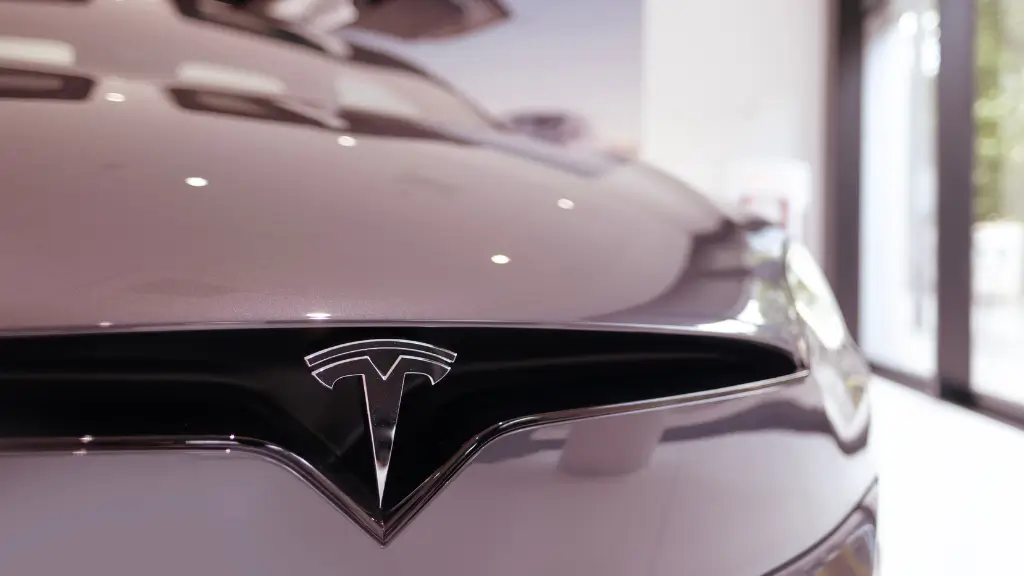
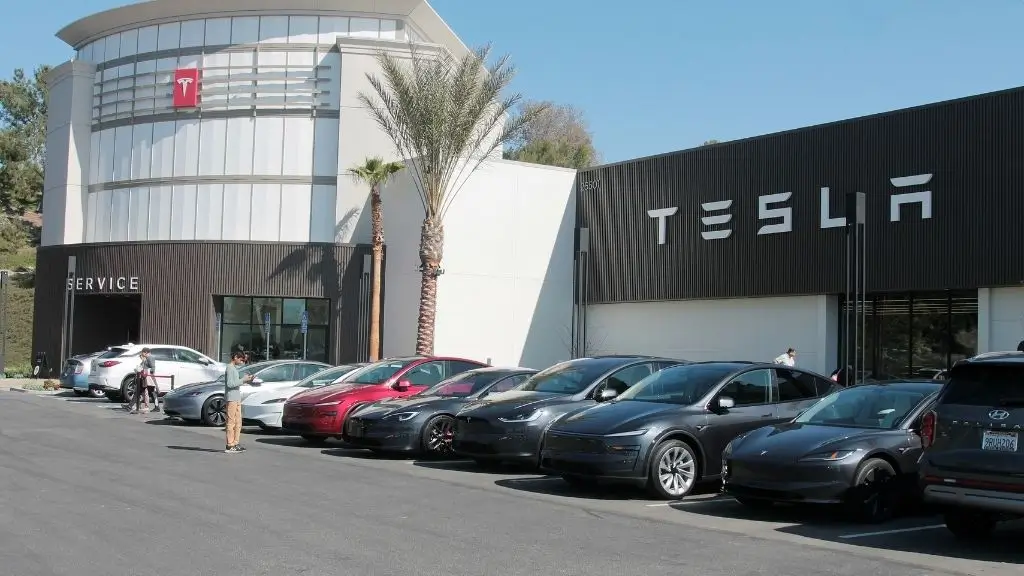
In Q1, Tesla announced a 6.3% year-over-year increase in deliveries, totaling 358,023 electric vehicles globally. This figure did not meet analysts’ expectations of 368,900, as reported by a consensus of 19 investment firms compiled by Visible Alpha.
Shares of Tesla fell 4.5% in midmorning trading after the announcement, indicating that the company’s auto sales are stabilizing following a sharp decline last year due to backlash against CEO Elon Musk’s political activism.
The company has faced mounting competition from Chinese automakers and, like other U.S. manufacturers, has seen reduced interest in electric vehicles. General Motors and Ford reported significant first-quarter declines across all vehicle types.
Rivian provided a rare bright spot in the EV market, delivering 10,365 vehicles in the first quarter, up 30% from 8,000 in the same quarter last year. Its stock rose following the announcement.
Tesla is gradually pivoting from vehicle sales to focus on robotics and autonomous ride-hailing services. Vehicle sales still account for roughly three-fourths of the company’s revenue, but declined for the second consecutive year. Production of the luxury Model S and Model X is being phased out, and mass production of the autonomous Cybercab is scheduled to begin this month.
The company’s energy business also reported a 15.4% decline in deployments, measuring battery energy output for the quarter. Energy deployments had grown rapidly last year despite slowing auto sales.
Following the discontinuation of the Model S and Model X, Tesla’s current lineup includes the Model 3, Model Y, and the low-volume stainless steel Cybertruck. A new Roadster is under development, though its release remains uncertain after nearly a decade of delays.
Tesla’s broader strategy, dubbed “Amazing Abundance,” envisions using artificial intelligence, robotics, and energy storage systems to address scarcity, building on the previous “Sustainable Abundance” plan. The Cybercab, priced under $30,000, is expected to support Tesla’s robotaxi ride-share service, which is currently limited to Texas and California.
Shareholders approved a new compensation package for Musk in November, potentially making him the world’s first trillionaire if Tesla achieves an $8.5 trillion market cap and meets multiple financial and operational targets, including vehicle sales growth. Tesla will release its full first-quarter earnings on April 22.