TSLA381.6308.83%
GM76.8900.27%
F12.080-0.16%
RIVN16.4000.34%
CYD41.2101.13%
HMC24.3400.34%
TM192.6201.36%
CVNA395.995-0.595%
PAG171.520-0.14%
LAD290.120-0.88%
AN212.3806.69%
GPI356.8707.66%
ABG203.6902.3%
SAH78.7505.44%
TSLA381.6308.83%
GM76.8900.27%
F12.080-0.16%
RIVN16.4000.34%
CYD41.2101.13%
HMC24.3400.34%
TM192.6201.36%
CVNA395.995-0.595%
PAG171.520-0.14%
LAD290.120-0.88%
AN212.3806.69%
GPI356.8707.66%
ABG203.6902.3%
SAH78.7505.44%
TSLA381.6308.83%
GM76.8900.27%
F12.080-0.16%
RIVN16.4000.34%
CYD41.2101.13%
HMC24.3400.34%
TM192.6201.36%
CVNA395.995-0.595%
PAG171.520-0.14%
LAD290.120-0.88%
AN212.3806.69%
GPI356.8707.66%
ABG203.6902.3%
SAH78.7505.44%

Nvidia, Mercedes-Benz advance robotaxi plans with Uber

The companies are expanding autonomous driving collaboration around Mercedes’ S-Class and MB.OS platform, intensifying competition with Tesla and Waymo.

Nvidia, Mercedes-Benz, and Uber partner on robotaxi platform using MB.OS and S-Class to advance autonomous mobility worldwide.

Photo By: Mercedes-Benz

On the Dash:

  • Nvidia, Mercedes-Benz, and Uber are developing a global robotaxi platform using Mercedes’ S-Class and MB.OS software.
  • The partnership leverages predictive AI, third-party development, and ride-hailing integration to accelerate autonomous mobility.
  • Service launch timing remains unannounced, with regulatory approval and infrastructure readiness as key variables.

Nvidia and Mercedes-Benz Group AG are moving forward with plans to launch robotaxi services in major global cities, using Mercedes’ S-Class sedan. Uber Technologies Inc. is also part of the partnership, forming a broader ecosystem for autonomous mobility.

The collaboration, which began last year, builds on efforts with other automakers and technology partners, including Stellantis, to coordinate advanced self-driving systems. The goal is to create a scalable platform that enables highly automated driving while leveraging the expertise of multiple companies.

Sign up for CBT News’ daily newsletter and get the latest industry stories delivered straight to your inbox.

The robotaxi platform will integrate with Mercedes-Benz’s MB.OS, the automaker’s central vehicle operating system. MB.OS allows third-party partners to develop complex autonomous applications while Mercedes maintains control over its core software. This approach enables the integration of specialized components like self-driving technology without fully outsourcing vehicle architecture.

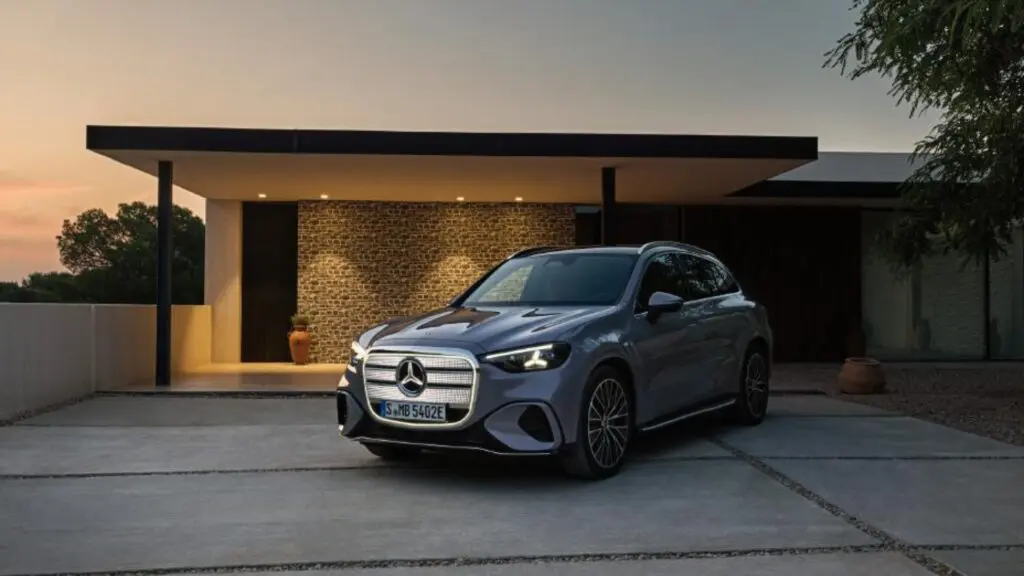
Mercedes-Benz is using the S-Class as a flagship model for the platform, combining advanced automation with luxury features. The strategy helps the automaker balance innovation with system control and reduces the costs of developing autonomous technology entirely in-house.

Nvidia positions itself as a leading supplier of autonomous driving software, competing with Tesla’s vertically integrated model and Alphabet Inc.’s Waymo. Its platform focuses on predictive, scalable solutions that can be deployed across multiple automakers. Uber’s involvement suggests potential integration with ride-hailing services, providing a ready pathway for commercial deployment once the technology matures.

The companies have not announced a timeline for service launch. Regulatory approvals, infrastructure readiness, and market conditions remain key factors. Mercedes-Benz is also collaborating with other partners, including Chinese software developer Momenta Global Ltd., indicating a multi-track approach to autonomous driving innovation.

The Nvidia, Mercedes-Benz, and Uber partnership reflects a shift in the autonomous mobility market toward shared platforms. By combining expertise in vehicle manufacturing, AI, and ride-hailing, the initiative aims to accelerate robotaxi deployment while maintaining system control and brand integrity.

More from Articles
Stellantis, Volkswagen report mixed Q1 results

Stellantis, Volkswagen report mixed Q1 results

- May 1, 2026
On the Dash: Stellantis reports weaker Q1 profitability tied to pricing normalization, higher costs and inventory adjustments. Volkswagen posts an earnings decline amid EV investments and rising operating expenses. Both...
UAW monitor cites governance failures in delayed strike fund investments

UAW monitor cites governance failures in delayed strike fund investments

- May 1, 2026
On the Dash: Federal monitor identifies governance, communication, and oversight failures tied to delayed reinvestment of strike funds. Report finds no misconduct but cites leadership tensions and unclear responsibilities. Monitor...
Rivian increases Georgia plant capacity to 300,000 units, narrows Q1 losses

Rivian increases Georgia plant capacity to 300,000 units, narrows Q1 losses

- May 1, 2026
On the Dash: Rivian is scaling production capacity to cut costs and support its lower-priced R2 strategy. Federal policy changes and softer EV demand are shaping near-term planning. Financial results...
Diesel was never the problem – Washington was the problem!

Diesel was never the problem – Washington was the problem!

- May 1, 2026
Diesel was never the problem. Washington was. For decades, diesel engines powered the backbone of America—heavy-duty trucks, farm equipment, and yes, even passenger cars and SUVs for drivers who wanted...
CBT News
Privacy Overview

This website uses cookies so that we can provide you with the best user experience possible. Cookie information is stored in your browser and performs functions such as recognising you when you return to our website and helping our team to understand which sections of the website you find most interesting and useful.