On the Dash:
- CarMax cut 145 corporate positions, about 4% of its corporate staff, as it works to improve profitability.
- Used-vehicle affordability remains a challenge, with the average used vehicle reaching $27,239 in August.
- CarMax is prioritizing digital retail, in-house financing and lower reconditioning costs as it looks to improve competitiveness.
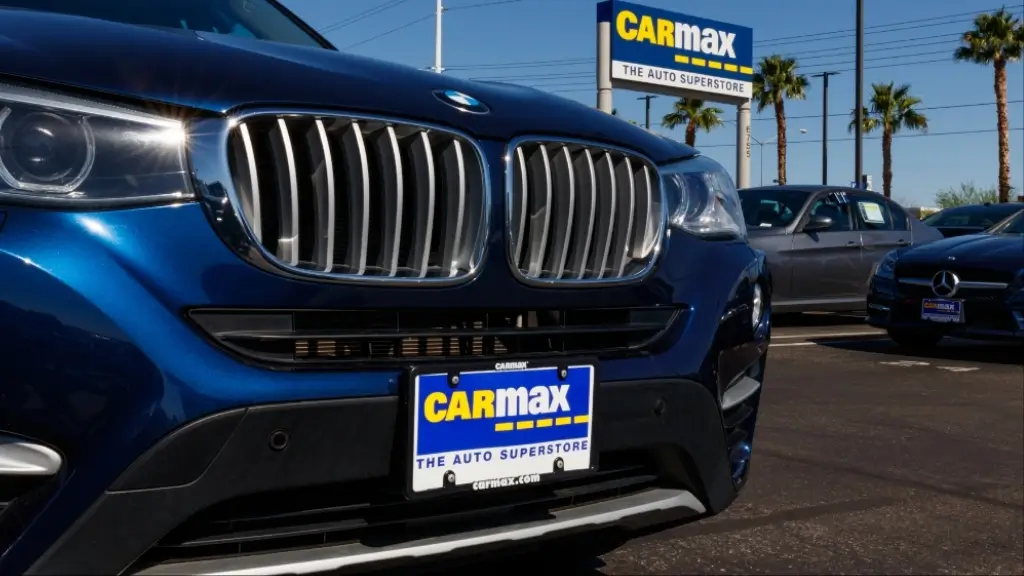
CarMax has eliminated 145 corporate positions, about 4% of its white-collar workforce, in a restructuring that hit offices in Richmond, Dallas and Atlanta as well as its Edmunds automotive research division. The company said the reduction will help it move faster and create better alignment across teams as it works to operate with a leaner corporate structure.
CEO Keith Barr, who took over in March following Bill Nash’s departure, faces a mandate to turn the business around at a difficult moment for used-vehicle retailers. According to Cox Automotive, average used-vehicle listing prices climbed to $27,239 in August, the highest monthly figure since December 2022. Rising borrowing costs are compounding the pressure on buyers already contending with elevated prices, and industry analysts expect that combination to weigh on used-vehicle demand as financing grows more expensive relative to household budgets.
CarMax’s own numbers reflect those headwinds, as the company operates more than 250 used-car dealerships across major U.S. markets, yet revenue for the fiscal year that ended Feb. 28 fell about 2% to $25.9 billion, and gross profit per retailed vehicle dropped 2.5% to $2,253. Those declines have pushed the company toward deeper cost cuts as it looks for ways to sharpen its value proposition against competitors.
Digital retail & financing
Barr’s turnaround strategy centers on expanding CarMax’s digital capabilities, growing its in-house financing arm and lowering the cost of reconditioning used vehicles before resale. Together, the initiatives are meant to improve efficiency while still supporting sales growth and long-term profitability.
Carvana, meanwhile, continues to outpace the broader used-vehicle industry. The company posted a record quarter for vehicle sales in the spring, but its July guidance pointed to softer profitability in the back half of 2026. CarMax’s restructuring lands squarely within that broader shift, as major used-car retailers recalibrate their operations to match tighter financing conditions and changing consumer demand.