TSLA411.1504.72%
GM84.0702.57%
F14.790-0.05%
RIVN16.680-0.08%
CYD51.8301.8%
HMC26.9700.53%
TM180.2205.27%
CVNA68.9004.8%
PAG180.070-0.89%
LAD308.520-4.86%
AN193.3901.86%
GPI325.7400.41%
ABG199.5500.02%
SAH83.710-0.9%
TSLA411.1504.72%
GM84.0702.57%
F14.790-0.05%
RIVN16.680-0.08%
CYD51.8301.8%
HMC26.9700.53%
TM180.2205.27%
CVNA68.9004.8%
PAG180.070-0.89%
LAD308.520-4.86%
AN193.3901.86%
GPI325.7400.41%
ABG199.5500.02%
SAH83.710-0.9%
TSLA411.1504.72%
GM84.0702.57%
F14.790-0.05%
RIVN16.680-0.08%
CYD51.8301.8%
HMC26.9700.53%
TM180.2205.27%
CVNA68.9004.8%
PAG180.070-0.89%
LAD308.520-4.86%
AN193.3901.86%
GPI325.7400.41%
ABG199.5500.02%
SAH83.710-0.9%


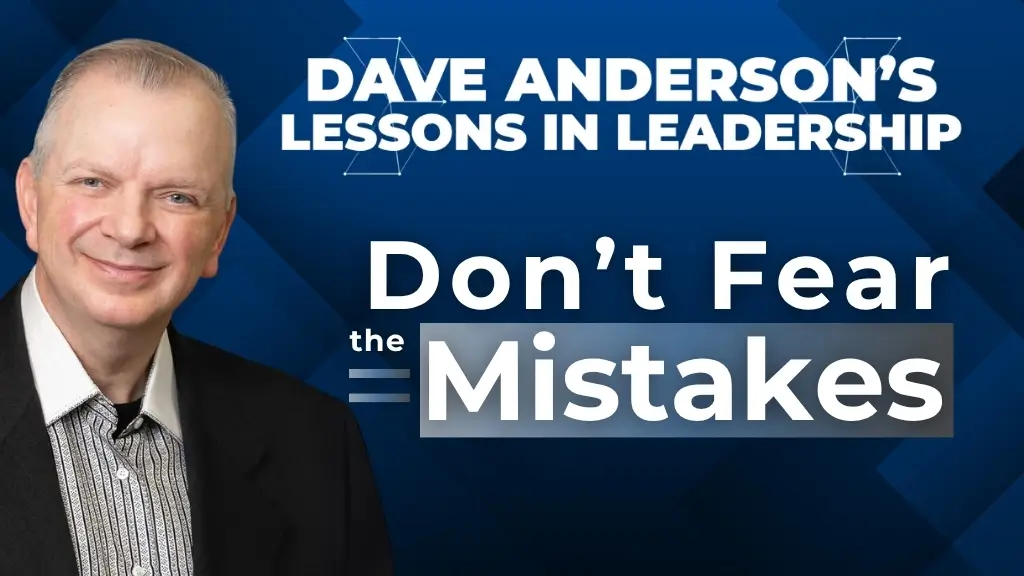
Strong leaders refuse to tolerate the “disease of me” — Dave Anderson

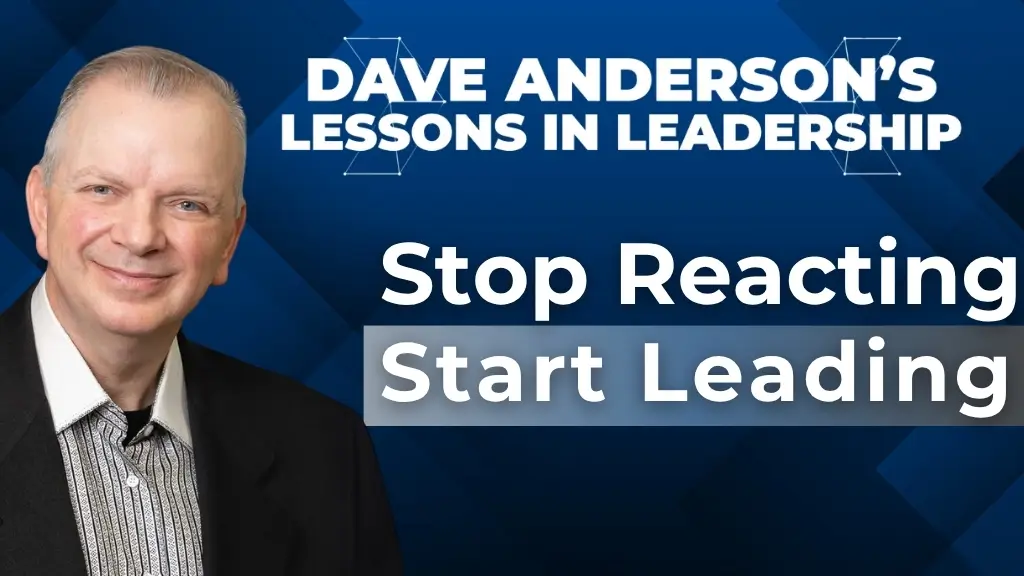
Neglecting a team’s well-being while prioritizing a single individual can erode morale and lead to disengaged employees. On today’s episode of Lessons in Leadership, LearnToLead founder and leadership expert Dave Anderson explains why putting the team first is essential to building and sustaining a high-performance business culture.

Leaders who build and maintain strong, high-performance cultures consistently prioritize the team’s welfare over any one individual’s comfort, pride, or agenda. Top teams do not tolerate what Anderson calls the “disease of me” — a form of deeply rooted selfishness that fuels entitlement, distraction and internal drama.

Sign up for CBT News’ daily newsletter and get the latest industry stories delivered straight to your inbox.

Effective leaders make it clear that objectives exist for the team’s benefit and that rules will not be bent for any particular individual. High-performing teams refuse to subordinate collective success to personal ego, ensuring accountability and alignment remain intact.

"We're not going to subordinate what's best for the team to your ego, agenda, whims, or personal convenience."
 

Leaders must continually call their teams to a higher level of performance, where every member is expected to contribute. When individuals place the well-being of the team above personal feelings or self-interest, they strengthen execution, reinforce shared purpose and help drive the organization toward its broader vision.


More from Lessons in Leadership
Why leaders should be thermostats, not thermometers

Why leaders should be thermostats, not thermometers

- June 3, 2026
Leadership expert Dave Anderson says culture doesn't develop on its own; it takes the temperature of whoever is leading it. On the latest episode of Lessons in Leadership, Anderson outlines the...
Why leadership pace determines organizational performance

Why leadership pace determines organizational performance

- May 27, 2026
Leadership Expert Dave Anderson says organizations rise or fall based on the pace, discipline and standards established by leadership. During the latest episode of Lessons in Leadership, Anderson revisits the first...
How 'brilliance in the basics' builds robust sales teams

How ‘brilliance in the basics’ builds robust sales teams

- May 20, 2026
As businesses search for ways to improve performance in an increasingly competitive environment, Leadership Expert Dave Anderson says many leaders overlook the simplest of solutions.  During the latest episode of Lessons...
How accountability continuously fuels team improvement

How accountability continuously fuels team improvement

- May 13, 2026
High-performance business cultures prioritize accountability and eliminate the blame game, according to Leadership Expert and Founder of LearnToLead, Dave Anderson.  During the latest Lessons in Leadership segment, Anderson identifies responsibility as...