TSLA385.530-6.41991%
GM77.475-0.305%
F12.475-0.235%
RIVN16.6860.2759%
CYD42.255-0.035%
HMC24.3050.045%
TM212.100-1.08%
CVNA362.500-8.58%
PAG156.2601.13%
LAD276.6602.18%
AN197.8652.055%
GPI335.1702.44001%
ABG202.9550.415%
SAH67.2101.32%
TSLA385.530-6.41991%
GM77.475-0.305%
F12.475-0.235%
RIVN16.6860.2759%
CYD42.255-0.035%
HMC24.3050.045%
TM212.100-1.08%
CVNA362.500-8.58%
PAG156.2601.13%
LAD276.6602.18%
AN197.8652.055%
GPI335.1702.44001%
ABG202.9550.415%
SAH67.2101.32%
TSLA385.530-6.41991%
GM77.475-0.305%
F12.475-0.235%
RIVN16.6860.2759%
CYD42.255-0.035%
HMC24.3050.045%
TM212.100-1.08%
CVNA362.500-8.58%
PAG156.2601.13%
LAD276.6602.18%
AN197.8652.055%
GPI335.1702.44001%
ABG202.9550.415%
SAH67.2101.32%

AI boom may trigger the next auto chip shortage

Industry experts say a boom in AI data centers could tighten the supply of DDR4 memory chips used in vehicles, raising costs and production risks.

AI, microchip shortage

On the Dash: 

  • Rising DRAM costs could pressure vehicle pricing, particularly on ADAS- and tech-heavy models.
  • Premium brands and EV makers may face greater production risk due to higher memory content.
  • Inventory volatility could reemerge if supply tightens, even if the disruption is not industrywide.

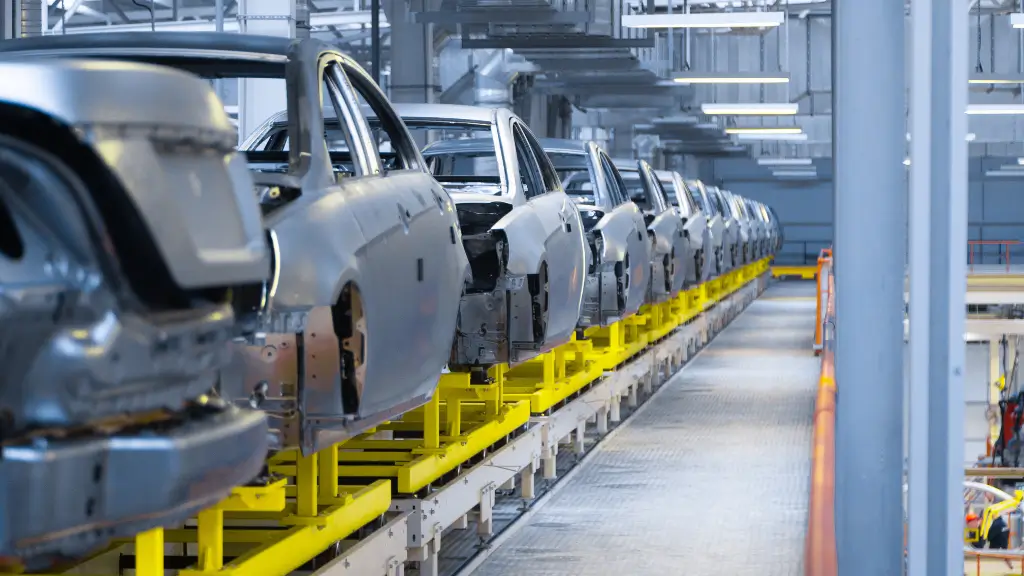
Automotive industry analysts are forecasting that another microchip shortage could hit in the coming months, increasing the risk of production halts and rising costs.

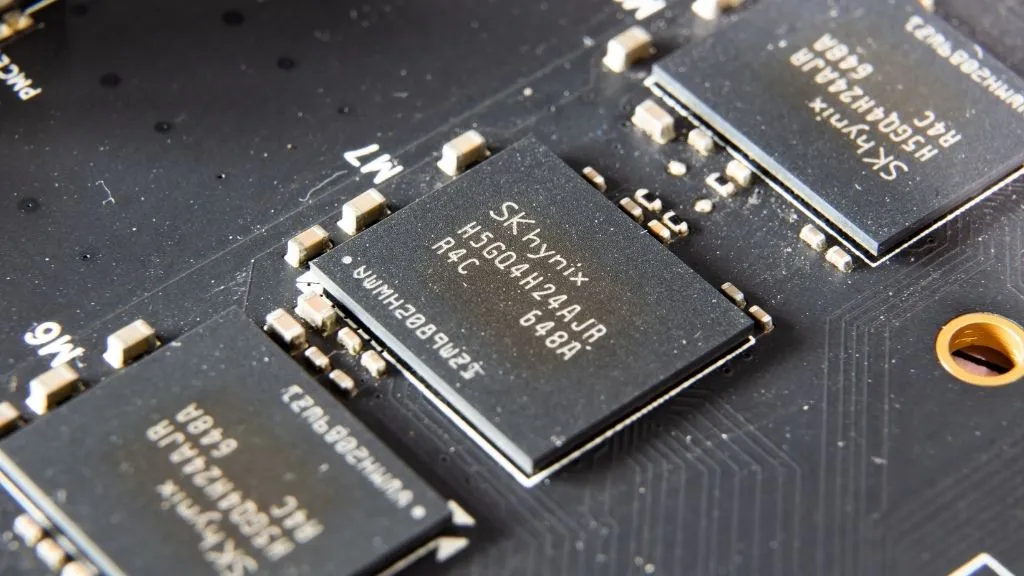
The concern centers on dynamic random-access memory, or DRAM, particularly DDR4 chips that support artificial intelligence (AI), infotainment, and advanced driver assistance systems in vehicles. Analysts say a boom in AI data center development is prompting chip manufacturers to prioritize higher-margin, next-generation memory products, leaving automakers and consumer electronics companies facing higher prices and potential supply constraints.

Sign up for CBT News’ daily newsletter and get the latest industry stories delivered straight to your inbox

Companies are reporting more than 100% price increases on DRAM chips, according to a report from UBS Group AG. The firm estimates that automakers will absorb about 80% of the additional costs, with suppliers sharing the remaining 20%. Many suppliers are already under financial pressure from inflation, tariffs and other expenses. Suppliers focused on electronics and ADAS are viewed as most at risk.

Although there is sufficient global DRAM production capacity for now, automotive accounts for only a lower single-digits percentage of global DRAM revenue, smartphones represent about 35%, computers 25%, and servers and data centers about 20%, according to UBS, limiting the industry’s leverage in allocation decisions.

Three companies produce over 90% of DRAM: Samsung and SK Hynix from South Korea, along with Micron Technology from Idaho. Micron is forecasting a more than fourfold year-over-year increase in earnings per share in the second quarter, while SK Hynix says its entire 2026 production is already sold out following a record 2025.

The auto industry primarily uses DDR4 and LPDDR4 chips, while AI applications rely largely on the more advanced DDR5 generation, which offers higher memory capacity and stronger profitability for manufacturers. Analysts say automakers may eventually need to transition to DDR5 as capacity shifts toward those products.

General Motors anticipates that rising DRAM costs, foreign exchange fluctuations, and higher material prices will add $1 billion to $1.5 billion in additional expenses this year. Similarly, Ford is projecting approximately $1 billion in higher commodity costs in 2026, driven by DRAM and inflation. However, Ford expects to balance these costs with savings from materials and warranties.

While analysts say any shortage would likely not match the severity of the pandemic-era crisis, they warn there is a reasonable risk of disruption as AI demand continues to climb.


More from Industry News
Pentagon taps automakers to boost weapons production capacity

Pentagon taps automakers to boost weapons production capacity

- April 16, 2026
On the Dash: Potential defense contracts could shift production priorities and impact vehicle supply. Increased government demand may tighten supply chains already under pressure. Automaker diversification into defense could influence...
CarMax shares fall 14% as new CEO Keith Barr unveils turnaround plan focused on lower-priced vehicles amid softening consumer demand.

CarMax pivots to lower-priced vehicles as investors remain skeptical

- April 15, 2026
On the dash: CarMax posted mixed results in Q4, with slight growth but weaker profits, triggering a 14% stock drop The company is shifting toward lower-priced, higher-mileage vehicles as affordability...
Tariff refund applications open as dealers and importers seek relief under CAPE program

Tariff refund applications open as dealers and importers seek relief under CAPE program

- April 15, 2026
On the Dash: Tariff refunds could improve short-term cash flow and help offset prior cost increases. Dealers should evaluate eligibility tied to imported inventory and parts exposure. Ongoing trade policy...
Volkswagen faces Q1 charge after halting EV production at Tennessee plant

Volkswagen faces Q1 charge after halting EV production at Tennessee plant

- April 15, 2026
On the Dash: A production halt may tighten EV inventory and disrupt vehicle availability at U.S. dealerships. Software delays highlight ongoing execution challenges that could push back product timelines and...
CBT News
Privacy Overview

This website uses cookies so that we can provide you with the best user experience possible. Cookie information is stored in your browser and performs functions such as recognising you when you return to our website and helping our team to understand which sections of the website you find most interesting and useful.